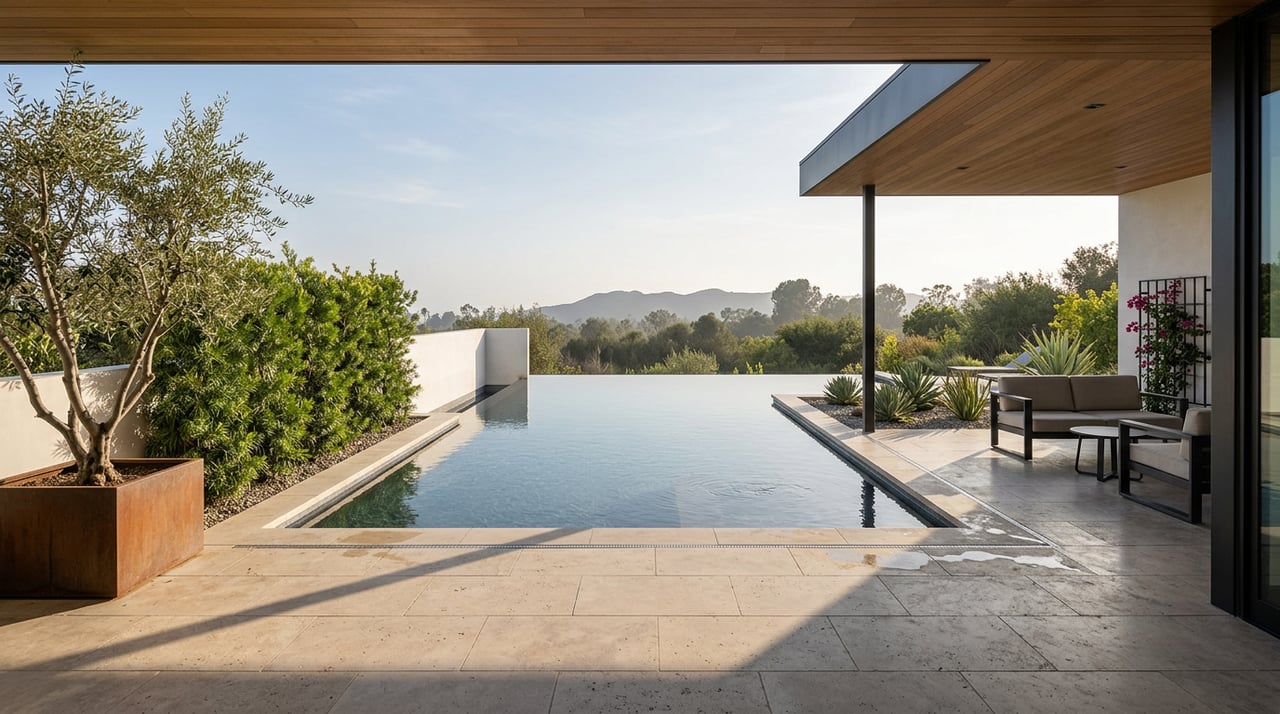
You want the twinkle of city lights at dinner and sunrise over the Santa Monica Mountains with your morning coffee. Buying a view home in Woodland Hills can deliver that daily magic, but hillside living comes with rules, inspections, and costs you should understand before you fall in love. In this guide, you’ll learn how to judge a view, navigate Los Angeles hillside regulations, manage wildfire and insurance realities, and structure a clean, confident offer. Let’s dive in.
Why Woodland Hills view homes stand out
Woodland Hills draws buyers who want ridgeline, mountain, and San Fernando Valley panoramas without crossing into the most coastal price tiers. As a reference point, typical home values in the neighborhood hovered around the low to mid seven figures in late 2025 and January 2026, roughly $1.1 million to $1.4 million. While ocean views are rare here, the most prized outlooks are sweeping valley or ridgeline vistas and sparkling city lights.
What a “view” means here
View type and permanence
Not all views carry the same value. Panoramic, unobstructed outlooks usually command higher premiums than partial or framed views through trees or across rooftops. Research on view pricing shows premiums vary widely by quality and type, from single‑digit percentages for modest vistas to much higher figures for top‑tier panoramas, with strong local variation. For background, see the research synthesis in Benson et al., “Pricing Residential Amenities: The Value of a View” published in the Journal of Real Estate Finance & Economics, available via this summary of view‑premium findings.
Orientation and sun exposure
West‑facing decks deliver dramatic sunsets but can bring afternoon heat in summer. North‑ and east‑facing slopes often feel cooler and more evenly lit throughout the day. Orientation also influences your energy use and how comfortable outdoor areas feel from May through October.
Outdoor living and privacy tradeoffs
Hillside lots often substitute flat lawns with tiered decks and terraces. Decide if multiple levels, steps, and planters fit your lifestyle. Deeper views can also increase exposure to neighboring sightlines, which you can balance with strategic landscaping, privacy screens, and glazing choices, subject to local permitting rules.
Hillside living practicalities
- Driveways and access: Expect steeper approaches and narrower streets. Test access with a larger vehicle during showings and note delivery and guest parking logistics.
- Serviceability and utilities: Hillside drainage, longer utility runs, and equipment access affect repair costs and timelines.
- Emergency access: Some streets have limited egress and seasonal Red Flag parking restrictions. Understand your routes and local rules before you commit.
Rules and permits in LA hillsides
Los Angeles uses two hillside frameworks that can affect remodels and additions. First, verify whether your specific parcel is in the Planning Department’s Hillside Area and subject to the Baseline Hillside Ordinance. Second, check whether it falls in the Building Code’s Hillside Grading Area with special LADBS geotechnical triggers. Parcel designations vary block by block, so confirm details for the address using the city’s zoning map browser at ZIMAS and Planning’s parcel tools.
- Baseline Hillside Ordinance: The BHO uses slope analysis to set allowable floor area, grading caps, height, and lot coverage on mapped hillside parcels. Do not assume you can expand at will. Review this BHO overview and summary to understand common limits.
- LADBS grading and geotechnical review: Many hillside projects trigger engineered grading, pre‑grade notifications, and geotechnical investigations. LADBS guidance explains when geotech reports, grading bonds, or haul‑route approvals are required and how reviews impact timelines. See LADBS hillside grading and geotechnical bulletins.
Buyer tip: Ask the seller for any slope analyses, geotechnical reports, and finaled permits for retaining walls, decks, pools, and major additions. A clean permit trail reduces risk.
Wildfire, brush clearance, and insurance
Portions of Woodland Hills near the Santa Monica Mountains may lie within Very High Fire Hazard Severity Zones. These areas require defensible space and brush clearance, which can affect both landscaping and your annual maintenance routine. Check designations for the exact address using the CAL FIRE Fire Hazard Severity Zone viewer.
Local agencies enforce brush rules and can levy fines for non‑compliance. Regional notices and enforcement examples are widely published across LA‑area jurisdictions, such as those highlighted in local brush‑clearance reporting. Because wildfire exposure influences underwriting, obtain bindable homeowners quotes early in escrow. The state FAIR Plan can act as a last resort if private coverage is limited, and California’s legislative landscape keeps evolving, as summarized in this NCSL overview of recent insurance legislation.
Inspections and specialists to hire
A standard home inspection is a visual assessment. Hillside properties often need specialists to evaluate slope stability, retaining walls, and drainage. Order key reports early in your contingency period.
- Licensed home inspector: Start here for structure, roof, systems, and visible issues. Note that tall or engineered retaining walls often fall outside a general inspector’s scope, per industry inspection guidance.
- Geotechnical engineer or engineering geologist: If the lot is sloped, shows movement, or has significant prior grading, you likely need a geotech. LADBS commonly requires geotechnical reports for hillside permits. Review LADBS geotechnical information to understand triggers.
- Structural engineer: Essential for suspect or tall retaining walls, caisson or pier systems, or raised and stilted foundations.
- Drainage or civil specialist: To assess surface and subsurface drainage, downspout routing, and any easements.
- Pest inspector: Confirms wood‑destroying organisms and checks hard‑to‑see areas under raised floors.
- Wildfire and arborist resources: Consider a wildfire mitigation consultant for VHFHSZ addresses and a certified arborist when protected or large trees may influence slope stability or future permits.
Timing tip: Book specialists during days 1 to 10 of your inspection period. Geotechnical scheduling and any follow‑on reviews can add weeks, so start early.
Red flags to watch
- Large or patched retaining walls without finaled permits.
- Bulging, leaning, stepped, or horizontally cracked walls.
- Downspouts or drains that discharge onto slopes, visible erosion channels, or fresh slope repairs.
- Doors or windows that bind, soil seams near foundations, or evidence of past re‑grading.
- Missing permits for decks, pools, walls, or major grading.
If you see any of the above, bring in a geotechnical engineer and a structural retaining‑wall specialist before you remove contingencies.
Costs and ongoing maintenance
Plan for hillside‑specific expenses. Retaining wall work varies widely. Consumer cost guides show small landscape walls in the range of a few thousand dollars, with a common average of about 3,000 to 9,000 dollars for modest projects. Tall, engineered walls with access constraints can cost tens of thousands or more. For general context, see this retaining wall cost guide, then obtain engineered bids for the property you are evaluating.
Drainage improvements, French drains, interceptor swales, and outlet systems often run several thousand dollars depending on scope. In VHFHSZ areas, budget for recurring brush clearance and periodic home‑hardening work. Insurance may also be higher in wildfire‑exposed zones, and private coverage can be more limited, so secure quotes early.
How views price in locally
Expect a premium for views compared with similar non‑view homes, but the size of that premium depends on specifics. Academic research finds a wide spread in view premiums by quality and type, from modest single‑digit increases for limited views to much larger percentages for high‑quality panoramas, as summarized in the Benson et al. literature. In Woodland Hills, the factors that tend to move you up the premium range are:
- View type and permanence: expansive valley or ridgeline outlooks that are unlikely to be blocked.
- Usable outdoor area: flat pads or well‑designed terraces that extend everyday living.
- Access and certainty: reasonable driveway and egress, along with clean permits and minimal hillside engineering risk.
When comparing sales, ask your agent and appraiser for comps that match grade, orientation, and lot usability within the immediate micro‑market, not just any “view” sale.
Due‑diligence roadmap and timing
Use this simple sequence to reduce surprises. Timelines can stretch when engineering or city reviews are involved, so allow cushion in escrow.
- Days 0 to 3: Verify zoning, parcel hillside designations, and permit history. Start with Planning’s parcel tools and request any slope analyses, geotech reports, and finaled permits from the seller.
- Days 1 to 7: Order a full home inspection and wood‑destroying organism report.
- Days 3 to 10: If sloped, retaining‑wall heavy, or showing movement, engage geotechnical and structural engineers for a site evaluation. LADBS geotechnical review can add weeks, so start early. See LADBS geotechnical guidance.
- Days 10 to 21: Obtain bindable homeowners insurance quotes. If private markets are limited, consult your lender and review FAIR Plan and Difference‑in‑Conditions options. The NCSL update on insurance legislation offers policy context.
- If specialists flag work: Get engineered estimates for walls, drainage, or slope stabilization and build in a contingency allowance. Negotiate credits or price adjustments as needed.
- Before contingency removal: Confirm with your lender and appraiser whether any additional engineering documents are required. City and contractor timelines often add 4 to 12 weeks depending on scope and backlog, as noted in industry practice commentary on grading limits and reviews.
Smart offer protections
When writing on a hillside or view property, consider:
- A time‑limited geotechnical and structural contingency covering slope stability, retaining walls, and drainage.
- An insurance‑ability contingency that allows cancellation if you cannot secure bindable coverage on acceptable terms.
- A permits and records contingency confirming finaled permits for walls, decks, pools, and major grading.
Final word
A Woodland Hills view home can elevate your daily life, but the best outcomes come from smart due diligence and clean documentation. Focus on the view’s quality and permanence, verify hillside designations and permits, line up the right specialists early, and confirm insurance before you fall in love. If you want a calm, concierge process with a team that knows LA’s hillside rules and luxury micro‑markets, we are here to help.
Ready to explore view homes with guidance tailored to you? Connect with Michelle Price Realty Group to Request a Confidential Consultation.
FAQs
What should I look for when touring a Woodland Hills view home at different times of day?
- Visit in late afternoon and after dark to evaluate sunset glare, evening temperatures, and city‑light quality. Check how wind, noise, and privacy change from morning to night.
How do I confirm if a Woodland Hills lot is subject to the Baseline Hillside Ordinance?
- Use the city’s parcel map tools at zoning.lacity.gov and review the BHO overview. Always verify parcel specifics and ask the seller for any slope analyses or geotechnical reports.
Which inspections are most important for a Los Angeles hillside home?
- Start with a licensed home inspection, then add a geotechnical engineer and structural engineer if the lot is sloped or has retaining walls. Review LADBS geotechnical requirements and note that tall engineered walls often exceed a general inspector’s scope, per industry guidance.
How do wildfire hazard zones affect a Woodland Hills purchase and insurance?
- Check the address using the Fire Hazard Severity Zone viewer. Expect brush‑clearance duties and get bindable insurance quotes early since underwriting in higher hazard zones can be more restrictive.
How much extra should I budget for retaining wall or drainage work on a hillside lot?
- Small landscape walls can run a few thousand dollars, while tall, engineered replacements can reach tens of thousands or more. Review a retaining wall cost guide for baseline context and obtain engineered bids for the property.
What contingencies should I include when offering on a Woodland Hills view home?
- Add geotechnical and structural contingencies for slope and walls, an insurance‑ability contingency, and a permits and records contingency. These protect you while you confirm the view, the engineering, and the insurability of the home.