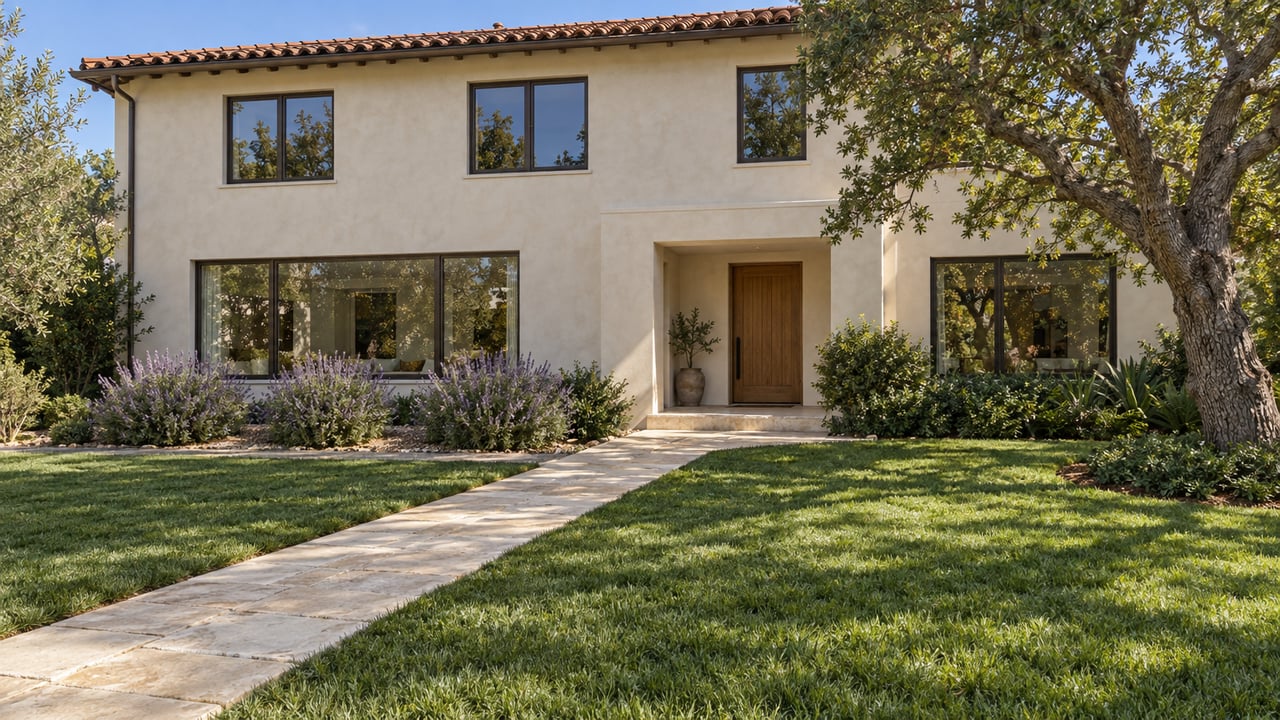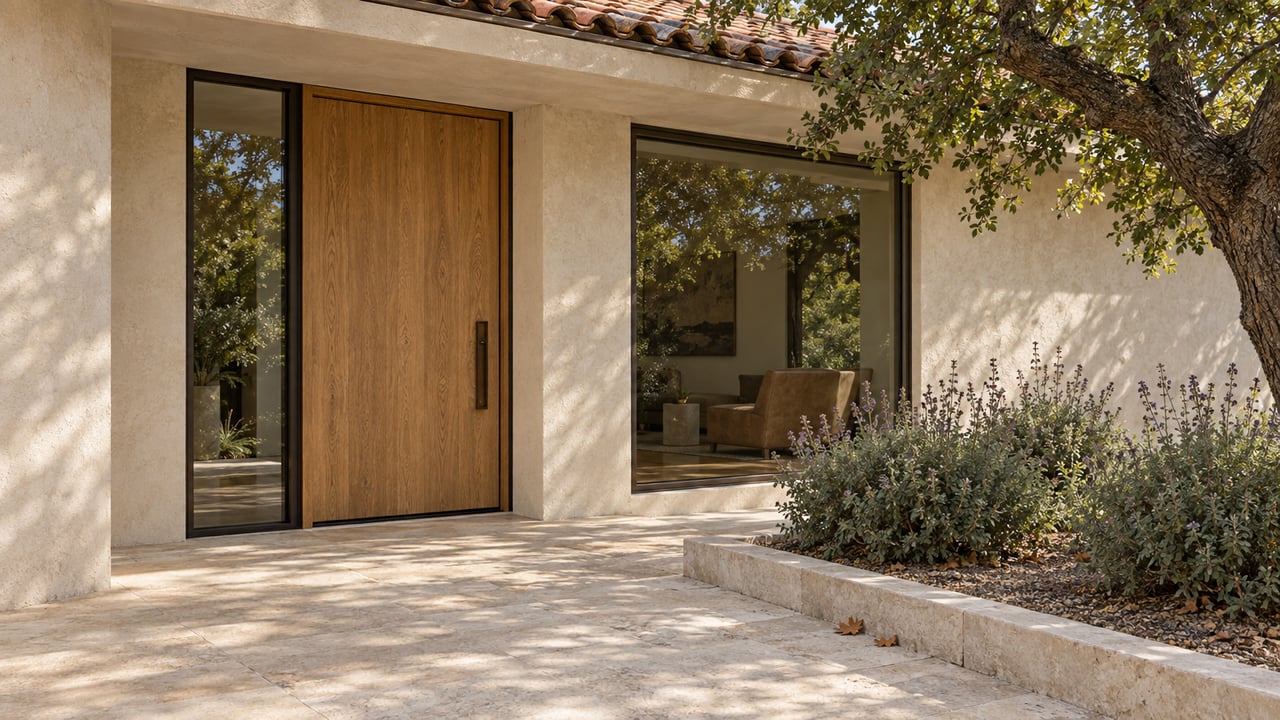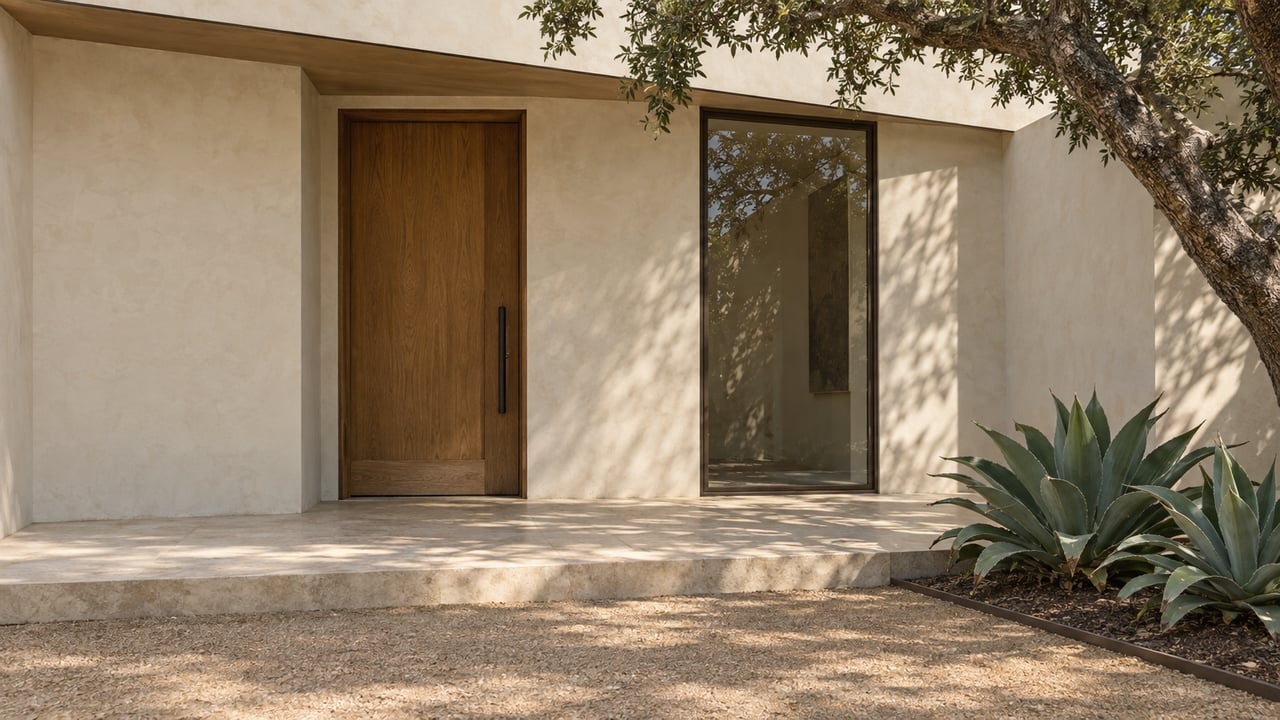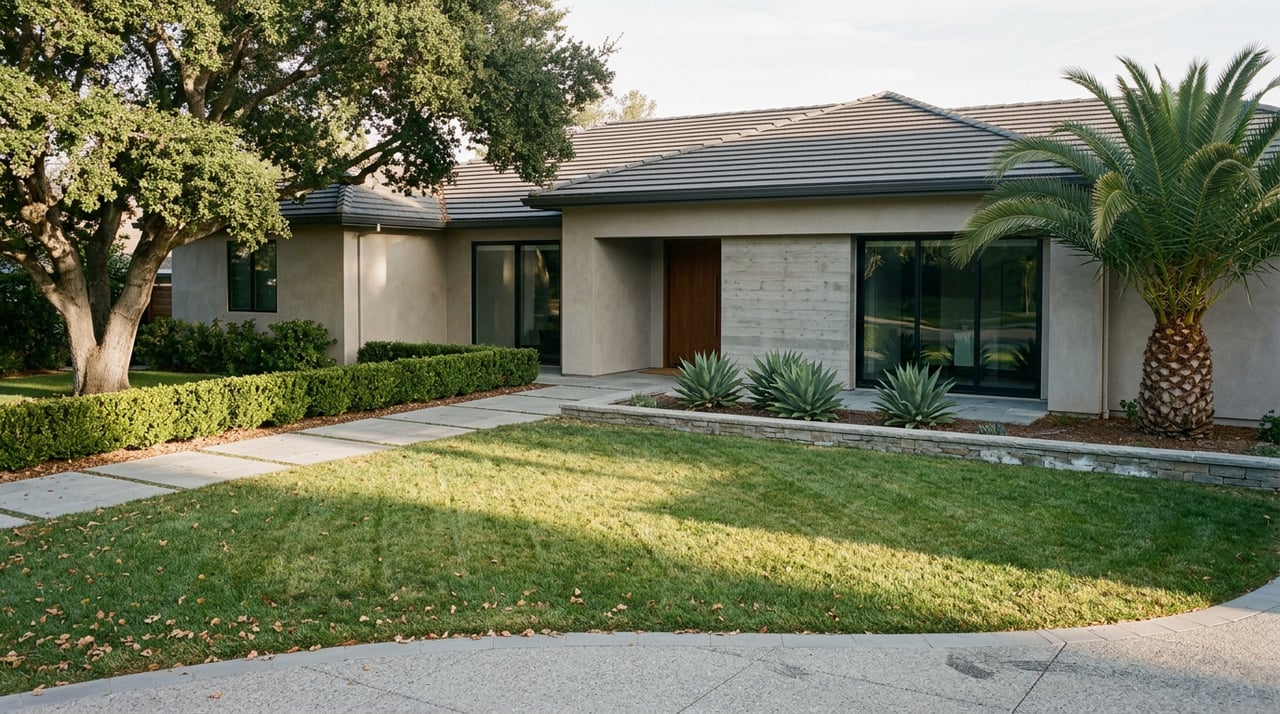
Looking at Hidden Valley as an investment play means thinking differently from the start. This is not a high-volume rental market or a quick-flip environment. If you are considering luxury property here, you need to understand what really drives value, what can limit your upside, and where careful underwriting matters most. Let’s dive in.
Hidden Valley investment basics
Hidden Valley is a small unincorporated enclave in Ventura County that is often grouped with Thousand Oaks and Lake Sherwood in property search platforms. Official local records describe it as a sparsely populated community of about 150 residents spread across 6.72 square miles, with a stated goal of preserving its rural atmosphere.
That setting shapes everything about the investment case. You are not buying into density, convenience retail, or large-scale neighborhood turnover. You are buying into land, privacy, scale, and a highly limited supply of estate properties.
Why Hidden Valley stands apart
Hidden Valley sits far above the broader Thousand Oaks market in price point and property profile. While Thousand Oaks shows a much lower median listing price and a larger pool of active homes, Hidden Valley functions as a specialized micro-market with only a handful of luxury listings at a time.
That difference matters for investors. In a market like this, the buyer pool is narrower, but the product is also harder to replicate. Scarcity can be a major strength when you are underwriting a long-term hold or planning for an eventual resale to an end user who values acreage and privacy.
Estate scale is the norm
This is an estate-driven market, not a typical suburban one. Local agency reporting says roughly 70 percent of properties are at least 20 acres, with some exceeding 500 acres, and many improved with single-family residences or horse ranches.
County planning records reinforce that pattern through large minimum lot sizes and agricultural or open-space designations. In practical terms, that means the land itself is a central part of the asset, not just the structure sitting on it.
Current inventory shows how specialized it is
Recent luxury inventory snapshots show just four luxury homes for sale in Hidden Valley, with a median listing price of $17.5 million and about 69 days on market. Available properties have included 14,000- to nearly 15,000-square-foot estates on 20-acre-plus parcels, along with an income-producing equestrian facility with 33 stalls.
For a savvy investor, this confirms two things. First, comparables can be limited. Second, each property needs to be evaluated on its own use case, improvements, and buyer appeal rather than by relying on broad market averages.
What really drives value in Hidden Valley
In Hidden Valley, value is likely tied more to privacy, acreage, equestrian utility, and compound-style living than to standard suburban convenience. That conclusion lines up with the property mix, zoning pattern, and the area’s rural identity.
If you are evaluating a purchase, focus on features that match how buyers are likely to use these estates. A gated arrival, usable acreage, equestrian infrastructure, strong access, and well-planned outdoor improvements can matter as much as interior square footage.
Scarcity supports the long view
Ventura County’s land-use framework is intentionally restrictive in rural and open-space areas. The county’s SOAR framework requires countywide voter approval for changes to Agricultural, Open Space, or Rural designations, and planning materials indicate that framework extends to 2050.
That does not mean every Hidden Valley property will appreciate at the same pace. It does mean that betting on broad future densification or easy subdivision is usually a weak assumption. In this market, scarcity and replacement cost are more realistic pillars of long-term value.
Entitlement upside is limited
Local reporting indicates no anticipated land-use changes that would enable or encourage intensified development in Hidden Valley. For investors, that is an important underwriting point.
If your strategy depends on increasing density, changing use, or dramatically expanding development rights, you should be cautious. Hidden Valley tends to reward investors who value estate ownership and patient positioning, not speculative entitlement plays.
Rental strategy requires a realistic lens
Some luxury investors automatically ask whether a property can generate lease income while they hold it. In Hidden Valley, that question deserves a careful and conservative answer.
Neighborhood market snapshots have shown zero rentals in Hidden Valley. That suggests any leasing strategy is likely tied to a very small pool of executive, bridge, or furnished tenants rather than a broad base of conventional renters.
Underwrite income conservatively
Because rental inventory appears extremely limited, you should avoid assuming easy absorption or stable year-round leasing demand. A beautiful estate may still take time to match with the right tenant, especially if the property is highly customized or operationally complex.
If you are considering an income-producing component, it makes sense to stress-test vacancy, operating costs, and leasing timelines. The more specialized the asset, the more selective the tenant pool may be.
Know the short-stay tax rules
If you are exploring a transient rental strategy in unincorporated Ventura County, tax treatment matters. Ventura County states that transient occupancy tax in unincorporated areas is 8 percent for stays of up to 30 consecutive days.
That does not answer every operational or compliance question, but it is a key item for early modeling. In a market this specialized, tax and operational details should be reviewed before you build a revenue assumption into your acquisition plan.
Infrastructure can shape your returns
One of the biggest differences between Hidden Valley and a more conventional luxury market is infrastructure. Here, utility and site logistics are not just background details. They can meaningfully affect both cost and risk.
Water service is unique
The Hidden Valley Municipal Water District’s role is focused on preserving the rural character of the community. Local agency reporting states that the district does not provide direct domestic water service, though it does provide recycled water service.
Historically, most properties have relied on private wells, and recycled water has been privately transported for irrigation and fire suppression. For investors, that means domestic water, irrigation planning, and long-term operating logistics deserve close review during diligence.
Septic and site systems need attention
Ventura County Environmental Health and planning functions review domestic water supplies and individual sewage disposal systems in unincorporated areas. On a Hidden Valley estate, those systems can directly affect usability, improvement plans, and maintenance budgets.
Before you close, review well history, septic condition, and any known limitations on the site. These are not small details on large rural parcels. They can influence both near-term carrying costs and future resale marketability.
Wildfire risk belongs in every model
In a rural luxury setting with large lots, landscaping, slopes, and accessory structures, wildfire exposure should be treated as an ongoing operating reality. It is not just a one-time cleanup item before listing or occupancy.
Ventura County Fire requires 100 feet of defensible space around buildings, including on neighboring property where relevant. Large estates can carry a greater maintenance burden simply because there is more ground, more vegetation, and more infrastructure to maintain.
Budget for ongoing mitigation
If you are buying in Hidden Valley, plan for recurring vegetation management, property maintenance, and insurance review. Outbuildings, long driveways, paddocks, and hillside conditions can all affect the cost of keeping a property compliant and well protected.
This is one of the clearest places where disciplined underwriting can protect returns. A property that looks compelling at first glance may carry a very different risk profile once fire mitigation and insurance availability are fully evaluated.
Property tax planning still matters
California’s Proposition 13 framework is relevant when you model long-term ownership costs. Ventura County explains that annual assessed value increases are generally limited to no more than 2 percent per year until sale or new construction.
At the same time, the California Board of Equalization notes that a change of ownership or completed new construction can trigger supplemental assessment. If you plan to improve an estate after purchase, tax consequences should be part of your capital planning from day one.
Best underwriting checklist for Hidden Valley
A smart Hidden Valley acquisition usually starts with a tighter diligence process than you might use in a more standard luxury market. Focus on the issues that affect real-world ownership and eventual exit.
Prioritize these diligence items
- Well capacity, history, and water reliability
- Septic system condition and service history
- Easements, legal access, and driveway logistics
- Insurance availability and wildfire mitigation history
- Landscaping, irrigation, and private infrastructure costs
- Zoning, lot size standards, and open-space or agricultural constraints
- Fit between the property and your likely exit buyer
Exit strategy should guide the buy
The most realistic exit in Hidden Valley is often a long hold or resale to an end user, not a quick turnover. Thin inventory, highly customized estates, and limited growth assumptions all point in that direction.
That does not make Hidden Valley a weak investment market. It makes it a selective one. Investors who do best here are often the ones who buy with patience, respect the property’s operational realities, and understand that matching the right buyer can matter more than chasing speed.
Who Hidden Valley may suit best
Hidden Valley can make sense for investors who want exposure to a rare luxury land-and-estate market with strong privacy appeal. It may also fit buyers who see the property as both a lifestyle asset and a long-term store of value.
It is usually less suited to investors seeking broad tenant demand, fast resale velocity, or density-driven upside. If your strategy depends on those factors, this micro-market may feel too narrow.
For the right buyer, though, that narrowness is the opportunity. Hidden Valley offers a kind of scarcity that is hard to manufacture, and that can be powerful when paired with disciplined due diligence and a clear long-term plan.
If you are weighing a Hidden Valley acquisition or preparing to position an estate for a discerning buyer pool, Michelle Price Realty Group offers discreet, concierge-level guidance tailored to luxury properties and selective investment decisions.
FAQs
What makes Hidden Valley different from the broader Thousand Oaks market?
- Hidden Valley is a much smaller, more specialized estate market with very limited inventory, much larger parcels, and a stronger focus on privacy, acreage, and rural luxury use.
What should investors know about Hidden Valley lot sizes?
- Local reporting says about 70 percent of properties are at least 20 acres, with some over 500 acres, and county planning records reflect large minimum lot sizes in open-space and agricultural settings.
What is the rental market like in Hidden Valley?
- Recent market snapshots have shown zero rentals, so any lease strategy should be underwritten conservatively and viewed as a niche opportunity rather than broad rental demand.
What water and utility issues matter in Hidden Valley?
- Many properties have historically relied on private wells, the local water district does not provide direct domestic water service, and site-specific water, irrigation, and sewage systems should be reviewed carefully.
What wildfire rules affect Hidden Valley properties?
- Ventura County Fire requires 100 feet of defensible space around buildings, and large lots with vegetation, slopes, and outbuildings can increase maintenance and compliance demands.
How should buyers think about appreciation in Hidden Valley?
- Appreciation is more likely tied to scarcity, privacy, and replacement cost than to subdivision or density expansion, since county land-use rules limit intensified development assumptions.
What taxes matter for a Hidden Valley investment property?
- Property-tax modeling should account for Proposition 13 assessment rules, possible supplemental assessments after a sale or new construction, and the 8 percent transient occupancy tax for short stays in unincorporated Ventura County.
What is the most realistic exit strategy for Hidden Valley luxury property?
- In many cases, a long hold or an end-user resale is more realistic than a quick flip because inventory is thin, estates are highly customized, and the buyer pool is selective.