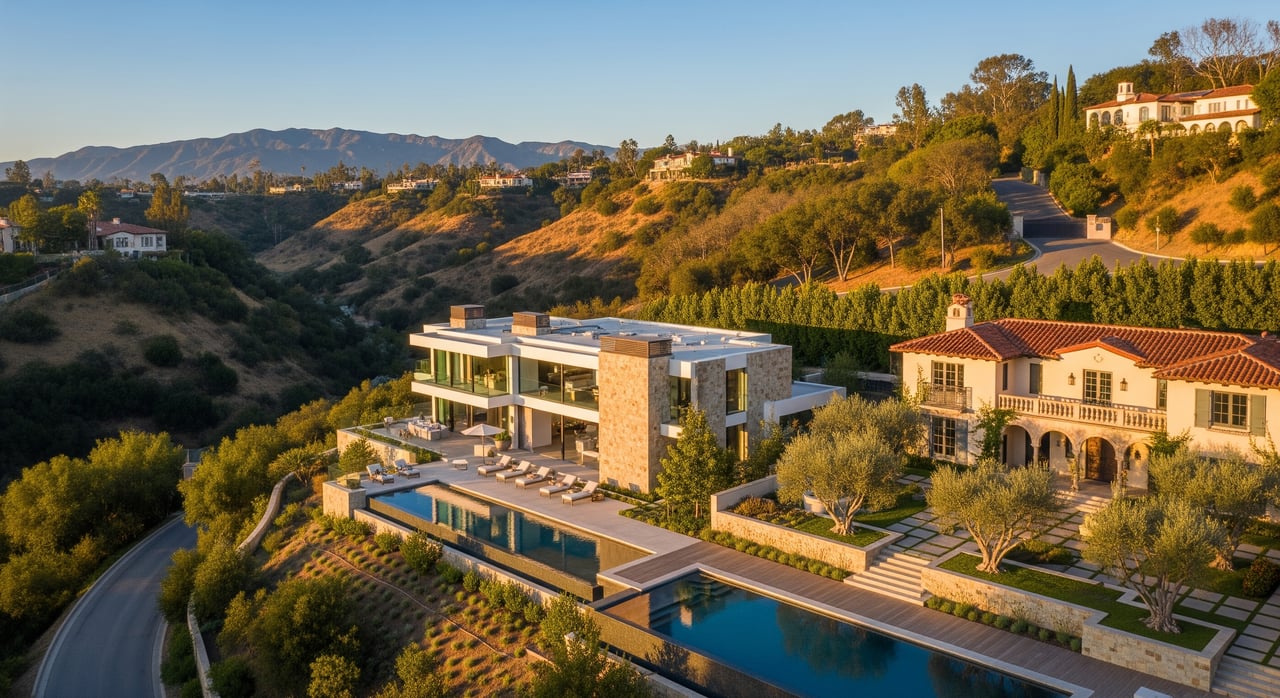
Trying to choose between Woodland Hills and Calabasas? You are not alone. Both offer strong lifestyles in the western San Fernando Valley, but the day-to-day experience can feel very different. In this guide, you will compare commute options, schools, housing, outdoor access, and the overall vibe so you can align your move with your priorities. Let’s dive in.
Woodland Hills and Calabasas at a glance
Woodland Hills sits within the City of Los Angeles. You will find a wide range of homes, from mid-century ranch to newer subdivisions, plus condos and apartments near Warner Center. Everyday conveniences cluster around Ventura Boulevard and Westfield Topanga.
Calabasas is an incorporated city with a more suburban feel. Housing skews toward single-family and gated communities, with larger lots and more privacy in hillside pockets. The streets are quieter, and the retail is more curated.
- If you want more housing variety and value, Woodland Hills delivers.
- If you prioritize privacy, larger lots, and a refined suburban setting, Calabasas fits well.
- Both areas share regional risks like wildfire and earthquakes. Brush management and insurance due diligence are essential.
Commute and mobility
Freeways and routes
From Woodland Hills, you have direct access to the Ventura 101, with connections to the 118 and the 405 via major arterials like Topanga Canyon and Ventura Boulevard. Multiple routes help if you commute across the Valley or to Burbank and Glendale.
Calabasas sits along the 101 with hillier local roads such as Las Virgenes and Mulholland. The setting is quieter with fewer arterials cutting through neighborhoods, which many residents prefer.
Transit options
Woodland Hills benefits from LA Metro’s high-frequency east–west Valley corridor, LA Metro’s G Line, connecting Warner Center to the B Line subway in North Hollywood. There are also municipal and express bus services.
Calabasas has city shuttles and regional bus service, but most trips are by car. There is no rail service and fewer frequent bus options compared with Warner Center.
What commute times feel like
Peak-hour variability is the real story. With light traffic, both areas can be comparable by distance, but rush hour can double your time.
- Westside and Silicon Beach: about 20 to 60+ minutes depending on departure time and route.
- Downtown Los Angeles: about 30 to 70+ minutes. Woodland Hills residents can use express buses from Warner Center, which may improve door-to-door time.
- Burbank and Glendale: about 25 to 45 minutes for many commutes from either area, with Woodland Hills often offering more direct routings.
Plan test drives at your target times before you decide.
Retail, dining, and daily conveniences
Woodland Hills offers a dense mix of shopping and dining. The Warner Center and Ventura Boulevard corridors provide big-box convenience, independent restaurants, fitness, healthcare, and services in one place. You will have more late-night options and a broader range of cuisines.
Calabasas leans boutique and family-oriented. The Commons is the city’s signature hub with higher-end dining and shops. Evenings are generally quieter, and weekend community events are common.
Parks, trails, and outdoor access
Both communities give you quick access to the Santa Monica Mountains.
- Woodland Hills: Trailheads into Topanga State Park and western access to the Upper Las Virgenes open-space system offer hiking, mountain biking, and equestrian options. Regional stewardship and maps are maintained by the Santa Monica Mountains Conservancy and the Santa Monica Mountains National Recreation Area.
- Calabasas: Many neighborhoods back onto foothill trails and scenic canyon corridors. Malibu Creek area trails are a short drive, with single-track and hillside routes popular for sunrise and evening hikes.
If you value daily trail time, shortlist homes with direct access or quick drives to your favorite trailheads.
Wildfire readiness and insurance
Wildfire is a regional reality. Calabasas, with its direct interface with wildland hillsides, often carries higher brush-fire exposure than flatter sections of Woodland Hills, though both areas are impacted during major events.
- Review Cal Fire Fire Hazard Severity Zone maps for parcel-level risk.
- Confirm local brush clearance requirements and any HOA rules.
- Ask for the property’s defensible-space history and insurance quotes early in your diligence.
Evacuation routes can narrow quickly in hillside pockets. Walk and drive them at different times of day so you understand access.
Microclimate and air quality
Woodland Hills often runs hotter on summer afternoons due to valley bowl effects. Calabasas, with more varied elevation and vegetation, can see slightly cooler evenings in some hillside pockets. For climate normals and seasonal patterns, consult the National Weather Service Los Angeles.
During wildfire events or ozone days, air quality can fluctuate across the Valley. Check AirNow for real-time conditions and guidance before outdoor activity.
Housing character and price profile
Woodland Hills offers a broad inventory. You will find postwar ranch homes, 1980s to 2000s subdivisions, townhomes, and condo communities, which creates more entry points for buyers and investors.
Calabasas is predominantly single-family, with a higher share of gated enclaves and custom homes. Expect larger lots, more uniform finishes in planned communities, and more HOAs and community amenities. Calabasas generally commands a premium for comparable square footage, driven by lot size, privacy, and school-district factors.
If you need a condo or a townhome near services, Woodland Hills gives you more choice. If you are focused on privacy and yard space, Calabasas has more inventory to match.
Schools and enrollment basics
School systems differ by area. Calabasas is primarily served by the Las Virgenes Unified School District, widely recognized for strong academic performance. Woodland Hills is within the Los Angeles Unified School District, which is large and diverse, with neighborhood schools that vary by attendance zone and multiple charter and private options.
Always verify school assignments for a specific address using district boundary tools and confirm any transfer or permit policies directly with the district. Ratings change over time, and school fit is personal.
Which is the better fit for you?
Relocating executive, frequent Westside or downtown trips
- Woodland Hills: Better for flexible commuting, transit access, and short-term housing options.
- Calabasas: Strong if you value privacy and quiet evenings more than transit convenience.
Family focused on schools and trail access
- Woodland Hills: Good for variety in home types and a wide range of shopping and services. Target pockets with your preferred schools.
- Calabasas: Strong for consistent public-school options and direct foothill access.
Downsizing executive or empty-nester
- Woodland Hills: More condos and townhomes close to restaurants and healthcare.
- Calabasas: Upscale low-maintenance options exist, with quieter streets and community amenities.
Privacy, trees, and entertaining at home
- Calabasas: Larger lots, hillside estates, and gated options are more common.
- Woodland Hills: Select neighborhoods deliver privacy, though inventory is less uniform.
Resale flexibility
- Woodland Hills: Broader buyer pool due to diverse price bands and product types.
- Calabasas: Strong in premium segments, with a more specific target audience.
Touring checklist
- Test drive your commute at weekday peak times on multiple routes.
- Confirm assigned schools and any district permit requirements before you write an offer.
- Review parcel-level wildfire risk via Cal Fire FHSZ maps and confirm brush clearance.
- Evaluate HOA fees, CC&Rs, and any special assessments for gated communities.
- Visit homes at midday and evening to gauge heat, shade, and wind.
- If you plan to use transit, map walking distance to G Line stations and bus stops.
- Estimate total cost of ownership, including utilities for summer cooling or landscape water needs.
Next steps
If you are weighing Woodland Hills against Calabasas, the right choice comes down to how you live day to day. Your commute, school needs, privacy preferences, and outdoor routine should lead your search. When you want a discreet, boutique strategy to match your lifestyle with the right home, connect with the Michelle Price Realty Group for a private consultation.
FAQs
Is Woodland Hills hotter than Calabasas in summer?
- Woodland Hills often sees higher daytime highs, while some Calabasas hillsides cool more in the evening. Check seasonal patterns at the National Weather Service Los Angeles.
Which area has better public transit options?
- Woodland Hills, especially near Warner Center, benefits from LA Metro’s G Line and multiple bus routes. Calabasas is more car-dependent.
How do schools compare between the two areas?
- Calabasas is served mainly by LVUSD, generally recognized for strong performance. Woodland Hills is within LAUSD with options that vary by zone and program.
What should I know about wildfire risk?
- Both areas face wildfire exposure. Review Cal Fire’s FHSZ maps and local brush clearance requirements for any home you consider.
Where will I find the best trail access?
- Both are strong for outdoor time. Woodland Hills connects to Topanga State Park, and Calabasas links directly into the Santa Monica Mountains National Recreation Area network of trails.