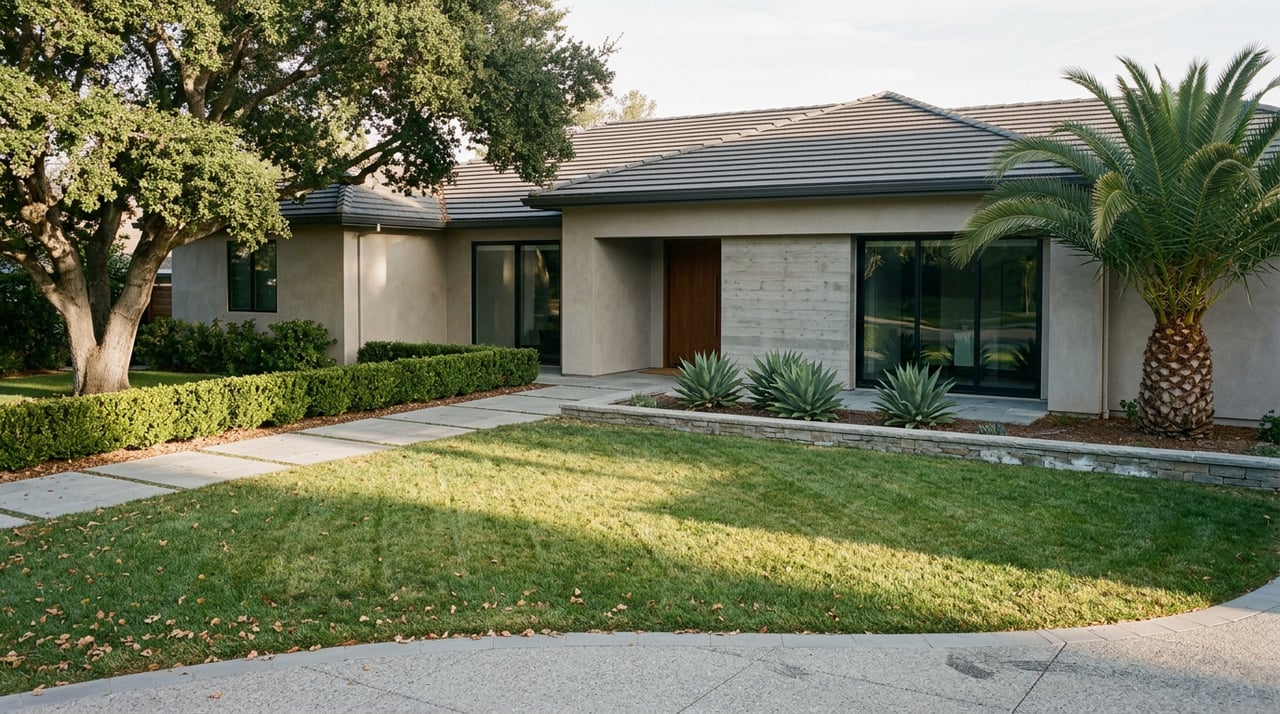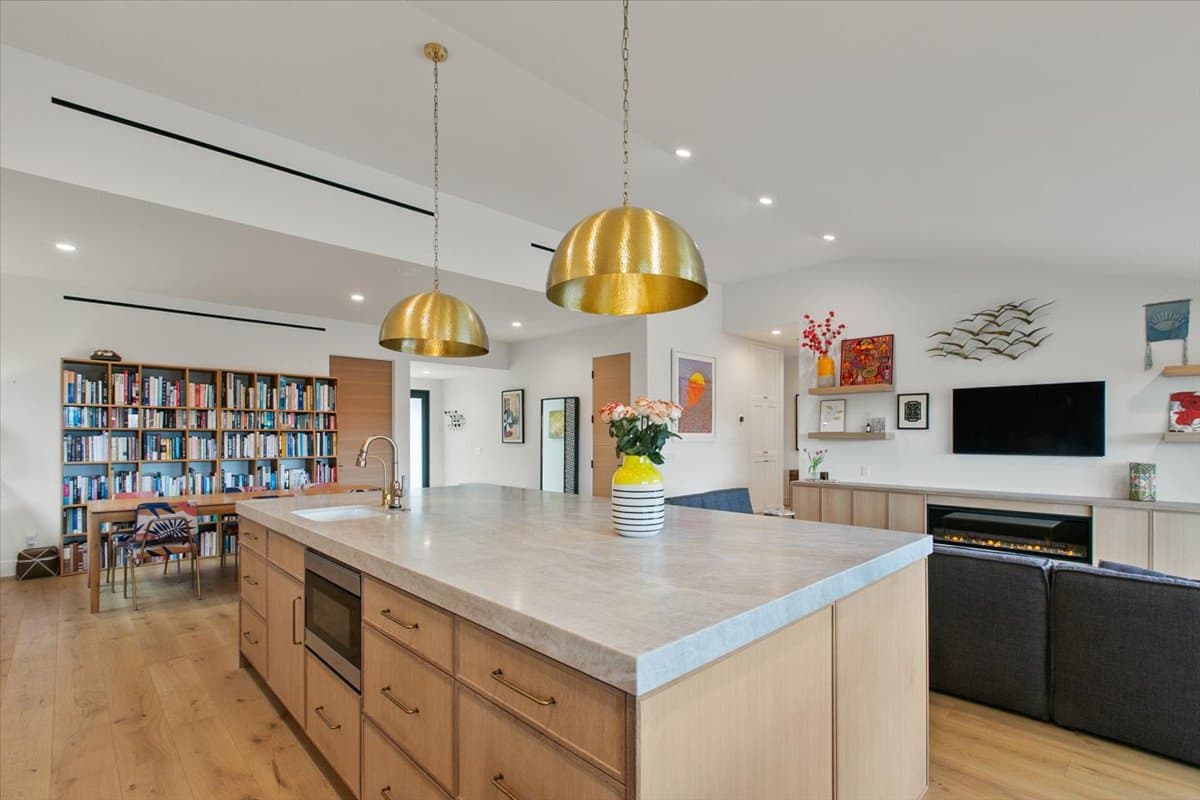
For most Westlake Village homeowners, downsizing becomes the right move when the home no longer fits the way they live today. While financial considerations such as Proposition 19 matter, the most important factors are often lifestyle-related: maintenance burden, floor plan accessibility, proximity to family, and long-term ease of living. The square footage reduction is usually the result of that thinking, not the starting point.
The real considerations run deeper than a smaller mortgage or a lower utility bill. They include the emotional weight of leaving a home that holds decades of memory, which floor plan features will actually matter in the next chapter, and whether the home you are considering will serve you well as the years go on. Getting these questions right before you list tends to produce a much better outcome than figuring them out in the middle of a transaction.
One thing I have noticed over the years is that homeowners rarely call me because they are excited about having less square footage. They call because they are ready for less maintenance, fewer stairs, or a home that better fits the way they live today. When the conversation starts from that place, the search tends to go much better.
Key considerations at a glance: downsizing decisions are usually driven by lifestyle, not square footage; single-story homes and homes with a main-level primary suite tend to serve this life stage best over time; California's Proposition 19 may allow eligible homeowners 55 and older to transfer their property tax base to a replacement home anywhere in the state; many Westlake Village homeowners remain in the area or nearby after downsizing; and planning the move before health or circumstances force the decision consistently produces better outcomes.
What Are the Benefits and Trade-Offs of Downsizing?
Before getting into the specifics, it is worth naming what most homeowners are actually weighing when they consider this move.
In my experience, the reasons Westlake Village homeowners choose to downsize most often come down to four things: reducing maintenance and physical upkeep, eliminating stairs or navigating a floor plan that no longer works well day to day, unlocking equity built over decades of ownership, and simplifying the overall structure of their lives. Those are genuine gains, and for most homeowners who make the move thoughtfully, they deliver.
The trade-offs worth thinking through honestly before deciding: less space for guests and family gatherings, reduced storage for belongings accumulated over a lifetime, less room for hobbies or projects that require dedicated space, and the emotional difficulty of leaving a home tied to decades of memory. None of these are reasons not to downsize. They are considerations that belong in the decision, not discoveries that should surface after the move.
The homeowners who navigate this transition most successfully are the ones who thought through both sides before they started searching, and chose a replacement home that actually addressed the trade-offs rather than ignoring them.
Is Downsizing in Westlake Village the Right Move Right Now?
The decision to downsize is personal, but the market context matters. Westlake Village has historically supported strong values and relatively brisk market times compared to surrounding communities, which means a well-prepared home tends to find qualified buyers without a prolonged wait. For a homeowner who has lived in the area for years and cared for the property well, that dynamic works in your favor.
What that means practically: a well-positioned Westlake Village home has a realistic opportunity to transact at strong value, which can directly shape the financial picture of the next purchase. The proceeds from a well-timed sale, combined with a thoughtful Proposition 19 strategy, can set up the next chapter with considerably more financial clarity than many homeowners expect going in.
Current market conditions are worth reviewing before you set a timeline. For the most recent Westlake Village pricing, days on market, and inventory data, see our current Westlake Village Market Update.
Why Is Downsizing Often More Emotional Than Financial?
This is the part of the conversation that does not always get enough space, and it is often the part that matters most.
Many Westlake Village homeowners who are financially ready to downsize find that the harder question is not whether it makes sense on paper. It is how to leave the home where children grew up, where holidays happened for 20 or 30 years, where neighbors became close friends. It is the feeling that downsizing means something about getting older, or that moving on means leaving something behind that cannot be recovered.
These feelings are real and deserve to be named rather than bypassed.
What tends to shift the perspective for many homeowners is time. The ones who move proactively, while they have the energy to sort through belongings thoughtfully, choose a home they genuinely love, and make the transition on their own terms, describe the experience very differently from those who wait until a health event or life circumstance forces the decision. The latter group often says they wish they had moved sooner. The former group often says the move gave them back something they had not expected: ease, freedom, and a sense of starting a new chapter rather than closing one.
The home that served a family of four through 25 years of life does not disappear from memory when you leave it. It becomes part of the story. What you move into becomes the next one.
Should You Downsize or Modify Your Current Home?
Not every homeowner who is thinking about downsizing needs to move. For some, the right answer is staying in the current home and adapting it for long-term accessibility and ease.
Modifications worth considering: a first-floor bedroom conversion if the primary suite is currently upstairs, a stair lift if stairs are a concern but the rest of the home works well, grab bars and safety features in bathrooms, a walk-in shower if one does not already exist, and reduced-maintenance landscaping or a transition to a landscape service for the yard.
For homeowners with the right floor plan and enough interior flexibility, aging in place can be a genuinely good option. The question is whether the adaptations are realistic given the home's layout, and whether the cost and ongoing maintenance burden of the larger property still makes sense at this stage.
Where the calculus tends to shift: when a two-story home with the primary suite upstairs cannot practically be converted, when a large yard requires significant ongoing physical effort or expense, or when the home simply has more space than the household needs and the maintenance and carrying costs no longer feel proportionate to the benefit.
The decision is worth thinking through honestly before assuming a move is necessary, and equally worth thinking through honestly before assuming a modification will solve something it cannot.
When Is the Right Time to Downsize?
The best time for most Westlake Village homeowners to downsize is before health, mobility, or family circumstances force the decision. Homeowners who move proactively typically have more housing choices, greater negotiating leverage, and more time to plan the transition thoughtfully than those who move under pressure. The ones who waited most often say afterward that they wish they had started sooner.
This is a question many Westlake Village homeowners find themselves circling for years before acting. The honest answer is that the best time to downsize is almost always before you feel you have to.
The clients I have worked with who are happiest after the move almost always made the decision before they felt forced into it. They had the time and energy to be thoughtful — to be selective about the replacement home, deliberate about what to bring, and intentional about timing the sale well. The transition felt like a decision made from strength rather than necessity.
When a move is forced by a health event, mobility challenge, or family emergency, most of those choices narrow or disappear. The pressure to move quickly, the physical difficulty of sorting through decades of belongings under duress, and the loss of control over timing all make the process harder than it needs to be.
The homeowners who waited often say afterward that they wish they had moved sooner. The ones who moved proactively rarely say they moved too early. That pattern is worth taking seriously. It is not a reason to rush a decision that deserves careful thought. It is a reason to start the conversation earlier rather than later.
What Floor Plan Features Matter Most When Downsizing?
A smaller home is only an improvement if it actually supports the way you plan to live in it over time. This is one of the questions that deserves the most careful thought, particularly for buyers in or approaching their 60s and 70s.
The two features that come up most consistently are single-story layout and a primary bedroom and bathroom on the main level. A two-story home that works well today can become a daily inconvenience, or worse, a genuine challenge, within a decade. Stairs that feel incidental now may feel very different after a hip replacement, a knee surgery, or simply the passage of time. A single-story home, or one where you can live entirely on the main level if needed, tends to hold its practical value over a longer horizon.
Other layout considerations worth evaluating: the distance from the garage to the kitchen for carrying groceries, the width of doorways and hallways, the accessibility of the laundry room, the height of countertops and cabinetry, and whether outdoor spaces require significant ongoing physical maintenance or can be managed more passively.
None of these are reasons to accept a home that does not otherwise meet your needs. But they are worth weighing alongside price, location, and aesthetics, not as an afterthought.
Where Do Westlake Village Homeowners Typically Move When They Downsize?
This is one of the most practical questions homeowners in this situation have, and it rarely gets a specific answer. The reality is that there is no single destination. The move depends on what matters most to the individual household.
Many Westlake Village homeowners downsize and stay in the immediate area. The reasons are consistent: same physicians, same church, same grocery stores, same proximity to friends they have known for decades, and often, grandchildren nearby. For this group, the goal is not reinvention but simplification. They want less home with the same life around them.
Within Westlake Village, single-level inventory tends to be more prevalent in Village Homes, First Neighborhood, Southshore Hills, Foxmoor, and certain pockets of North Ranch. These neighborhoods are worth focusing on if a single-story home is a priority, though availability at any given time will depend on what is actively on the market.
Not every downsizing move is to a single-level home, however. Some buyers are not concerned about stairs over the longer term, or they are comfortable purchasing a two-story home provided there is a bedroom and full bathroom on the first floor that would work well if navigating stairs eventually becomes an issue. That ground-floor option provides meaningful flexibility without requiring a single-story home specifically.
For homeowners open to nearby communities, Thousand Oaks offers a wide range of single-level options at various price points and tends to be a practical choice for those who want to remain close to Westlake Village while expanding their search. Townhome communities within and adjacent to Westlake Village are also worth considering for buyers who want reduced exterior maintenance and a lock-and-leave lifestyle.
For homeowners who are more open to relocating, the Proposition 19 property tax transfer applies anywhere in California, which expands the conversation considerably. Some move to be nearer to adult children in other parts of the state while carrying the financial benefit of their longtime Westlake Village tax basis with them.
The search process works best when it is organized around what the homeowner actually needs in the next chapter, not simply what is smaller or less expensive. Those are starting filters, not the full picture.
How Does Proposition 19 Affect Downsizing in Westlake Village?
Proposition 19, which took effect in California in February 2021, allows homeowners who are 55 or older to transfer their existing property tax base to a replacement home anywhere in California. For long-term Westlake Village homeowners, this is one of the most significant financial tools available, and it is frequently underestimated.
Many Westlake Village homeowners have owned their homes for 10, 20, or even 30 years. Their assessed value, and therefore their property tax, reflects what the home was worth at purchase, not what it is worth today. Without Proposition 19, purchasing a replacement home would reset the tax basis to the current purchase price, potentially resulting in a substantially higher annual property tax obligation even if moving to a less expensive property.
Under Proposition 19, eligible homeowners can transfer their lower tax base to the replacement property, subject to certain adjustments if the replacement costs more than the original sale price. The transfer can be used up to three times and applies statewide.
This benefit is worth understanding clearly before listing, not after. The timing and structure of the transaction can affect whether the benefit applies fully. A tax advisor or CPA should be part of the conversation before any decisions are finalized.
What Happens to Furniture and Belongings That No Longer Fit?
This is the practical reality of downsizing that catches many homeowners off guard, and planning for it before the sale closes is significantly easier than managing it after.
A home lived in for 20 years holds more than furniture. There are collections, seasonal storage, workshop contents, garage accumulation, and the layered objects of a full and active life. A smaller home cannot hold all of it, and trying to make it do so tends to undermine exactly what the move was meant to accomplish.
The furniture question alone deserves early attention. Pieces scaled for a large living room or formal dining room may be proportionally wrong in a smaller space, making it feel crowded rather than curated. Walking the replacement home with measurements, or working with a stager or designer who can advise on scale, saves real time and frustration at move-in.
For items that will not make the transition, the options include family members, consignment and resale, donation, estate sale if the volume warrants it, and for some pieces, simply letting go. Beginning this process two to three months before the move, rather than the week before closing, makes it feel manageable rather than overwhelming.
What Should You Think Through Carefully Before Downsizing?
A few considerations that do not always surface early in the process but are worth naming before the decision is made.
Guest space. If hosting adult children or grandchildren matters to you, a home without a dedicated guest room changes how those visits work. Some homeowners are comfortable with that trade. Others find it more significant than they anticipated. Knowing your preference in advance shapes the search.
Hobby and project space. A workshop, a craft room, a dedicated home office, or simply a garage with enough room to use, these spaces tend to matter more than their square footage suggests. If a current hobby or workspace is important to daily life, it belongs on the requirement list, not the wish list.
Storage. Smaller homes typically have less of it. If the editing process described above does not happen thoroughly before the move, a smaller home can feel constrained in ways that a larger one never did. This is not an argument against moving; it is an argument for doing the work of editing deliberately before the move rather than hoping the new home will absorb everything the old one held.
Holiday and family gatherings. For homeowners who host Thanksgiving, Christmas, or regular family dinners, a smaller home changes the scale of what is possible. Some families adjust easily. Others find this a genuinely difficult trade-off. It is worth a candid conversation with the household before the search begins.
These are not reasons not to downsize. They are honest considerations that allow a homeowner to choose a replacement property that actually fits the life they intend to live, rather than discovering the gaps after the move is complete.
Should You Pay Cash or Finance the Replacement Home?
For many Westlake Village homeowners who have built significant equity over decades, the purchase price of a smaller replacement home may fall well within the net proceeds of the sale. That raises a genuine question: pay cash, or finance a portion?
Paying cash eliminates a monthly mortgage obligation and simplifies cash flow, which is often a primary goal of the move. It also removes interest cost and provides the clarity of owning the home outright.
Financing a portion of the purchase, even when cash is available, preserves liquidity. Keeping a meaningful portion of the proceeds in accessible investments rather than locking them into equity can provide financial flexibility that a fully paid-off home does not. Whether that trade-off makes sense depends on investment returns, the current interest rate environment, tax considerations, and personal preference around debt.
There is no universal answer. This decision belongs with a financial advisor who understands the full picture.
How Do You Coordinate Selling and Buying at the Same Time?
Selling one home and purchasing another simultaneously is one of the more complex logistical realities in residential real estate, and it is worth planning the sequence before either transaction begins.
The approaches Westlake Village homeowners most commonly consider: selling first and renting temporarily while searching for the replacement home, purchasing first if financial reserves allow and listing the existing home immediately after, or negotiating a rent-back agreement on the sale to allow additional time to find and close on the replacement property.
Each has trade-offs in terms of financial exposure, timing pressure, and complexity. The right approach depends on how quickly you need to move, how competitive the market is for the replacement home type, and how much flexibility you have to carry two properties briefly.
Getting the sequencing right from the beginning, before either home is listed, tends to reduce stress significantly. It is the kind of planning conversation worth having well before the first showing.
Frequently Asked Questions
What are the main benefits of downsizing for Westlake Village homeowners?
The benefits most homeowners describe are reduced maintenance and physical upkeep, elimination of stairs or an impractical floor plan, access to equity built over decades, and a simpler daily structure. For many, the move also brings an unexpected sense of freedom — less to manage means more time and energy for what actually matters at this stage of life.
Is a single-story home better than a two-story home for retirement?
For most homeowners in or approaching retirement, a single-story home or a two-story home with the primary bedroom and bathroom on the main level offers better long-term practicality. Stairs that feel manageable today can become a genuine daily challenge after a health event or mobility change. A layout that allows you to live entirely on one floor if needed tends to hold its value and usefulness over a longer horizon.
How does Proposition 19 work for Westlake Village homeowners who are downsizing?
Proposition 19 allows California homeowners who are 55 or older to transfer their existing property tax base to a replacement home anywhere in the state. For long-term Westlake Village homeowners with a low assessed value relative to today's market, this can result in a substantially lower property tax on the new home than a standard purchase would produce. Timing and transaction structure affect eligibility. A tax advisor or CPA should be consulted before listing.
What floor plan features should Westlake Village homeowners prioritize when downsizing?
A single-story layout or a home with the primary bedroom and bathroom on the main level tends to serve buyers at this life stage most reliably over time. Practical accessibility of day-to-day living areas, manageable outdoor spaces, and convenient laundry and kitchen layouts are worth evaluating alongside price and aesthetics.
Where do Westlake Village homeowners typically move when they downsize?
Many stay within Westlake Village or in immediately adjacent communities like Thousand Oaks to maintain proximity to physicians, friends, family, and familiar routines. Within Westlake Village, single-level inventory tends to be more prevalent in Village Homes, First Neighborhood, Southshore Hills, Foxmoor, and certain pockets of North Ranch. Townhome communities in the area appeal to homeowners who want reduced exterior maintenance. Proposition 19 also supports moves anywhere in California, which broadens the options considerably.
Should you modify your current Westlake Village home instead of downsizing?
For some homeowners, aging in place with thoughtful modifications is the right answer. First-floor bedroom conversions, bathroom safety features, and reduced-maintenance landscaping can extend a home's practical usefulness meaningfully. The decision depends on whether the layout can realistically accommodate the modifications and whether the ongoing cost and maintenance burden of the larger property still makes sense.
When is the right time to downsize in Westlake Village?
The homeowners who describe the transition most positively are consistently those who moved proactively, while they still had the time and energy to be thoughtful about the process. Waiting for a health event or life circumstance to force the decision narrows options significantly. Starting the conversation earlier than feels strictly necessary tends to produce better outcomes.
What do homeowners wish they had thought through before downsizing?
The considerations that come up most often: guest space and how it affects family visits, hobby and project space that may not transfer to a smaller home, storage for items accumulated over decades, and the scale of hosting for holidays or gatherings. Thinking through these specifically before the search begins, rather than discovering them after the move, allows the replacement home to be chosen with a clearer picture of what life there will actually look like.
Thinking About Downsizing in Westlake Village?
The conversations that tend to produce the best outcomes begin well before a homeowner is ready to list. Understanding your Proposition 19 position, thinking through the floor plan features that will matter most over time, deciding what to bring and what to release, and planning the timing of the sale and purchase together can make the entire process feel more intentional and considerably less stressful.
I have worked with a number of Westlake Village homeowners navigating this transition, and the pattern is consistent: the most common reasons people call are reducing maintenance, eliminating stairs, moving closer to family, and simplifying retirement living. Very few lead with square footage. When we start from what they actually want their next chapter to look like, the search becomes much more focused and the outcome tends to be much better. I find these conversations genuinely rewarding. The decision to downsize, made thoughtfully and on your own terms, can open a chapter that feels lighter and more purposeful than the one before it.
If you are beginning to think through what a move like this could look like, I would welcome the conversation. I am easy to reach and always glad to make time.
Michelle Price
Michelle Price Realty Group
818.963.0269
Michelle Price is the founder of Michelle Price Realty Group and a residential real estate advisor serving Westlake Village, Thousand Oaks, Agoura Hills, and surrounding communities. A RealTrends-certified top 1.5% Realtor nationwide, Michelle brings six years of real estate expertise preceded by more than 20 years in branded entertainment marketing — a background that shapes how she thinks about positioning, presentation, and the story a home tells to the market. She specializes in helping homeowners navigate significant transitions, including downsizing, estate sales, and retirement-stage moves, with a concierge approach to every stage of the process.